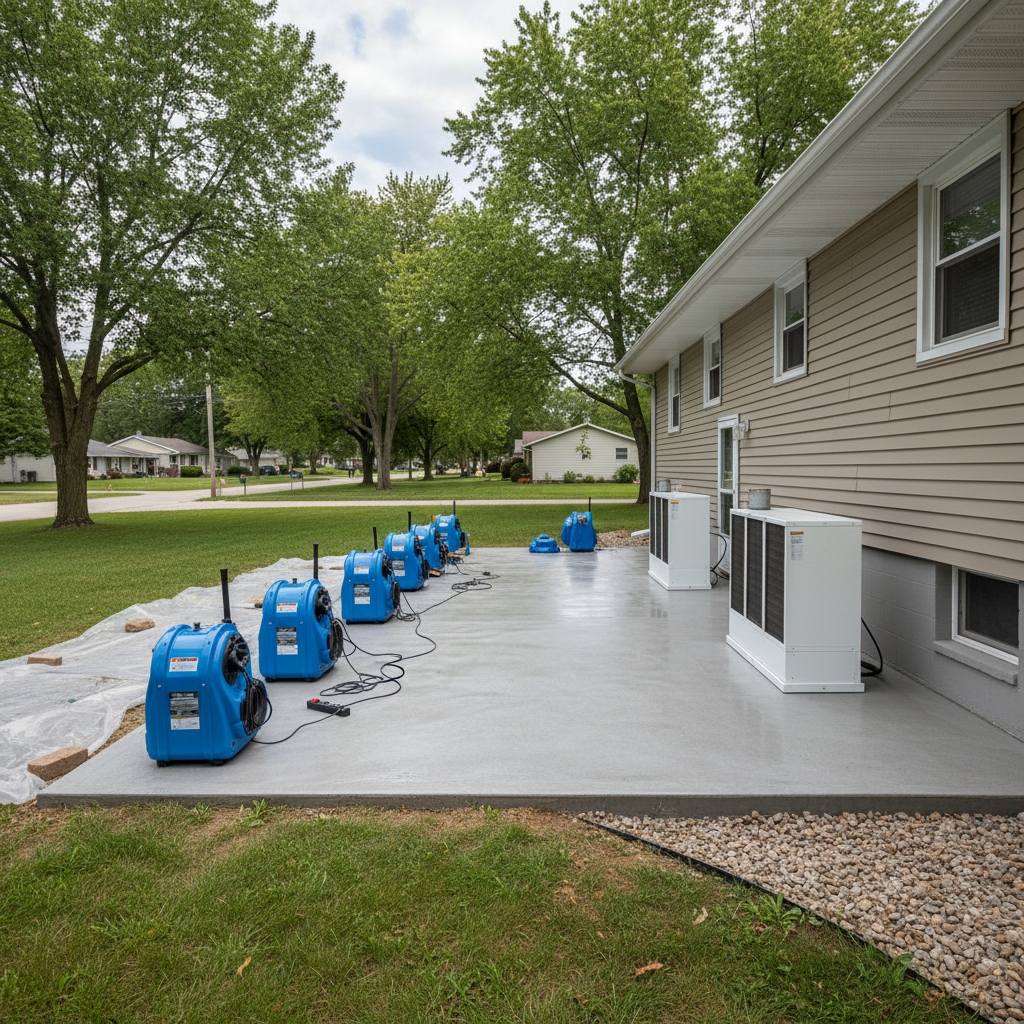
So, you've been through the wringer with water damage, and Apex Restoration has finished the structural drying. The air movers are gone, the dehumidifiers packed up, and your home finally feels normal again. You might think the battle's over, but really, that's just the end of the first round. Now comes the ongoing fight to keep your home dry and prevent future problems.
Think of structural drying like a major surgery for your house. We handled the immediate crisis, but you've still got to follow through with the recovery plan. If you don't, well, you're just asking for trouble down the road, aren't you?
Making Your Structural Drying Last
The biggest thing you can do to make sure that structural drying work holds up is to actually address where the water came from in the first place. I know, it sounds obvious, but you'd be surprised how many folks fix the damage but don't truly fix what caused it. Was it a leaky pipe? Get it replaced, not just patched up. Was it a foundation crack? Get that sealed properly. If you don't stop the water from coming in, you'll be calling us again, and honestly, nobody wants that.
Beyond fixing the source, good ventilation is super important, especially in areas prone to moisture like basements or bathrooms. Here in Lincoln Park, with our humid summers and cold, damp winters, air circulation makes a huge difference. Consider exhaust fans in bathrooms and kitchens, and make sure they're actually vented outside — not just into the attic, which I've seen happen.
Also, please keep your gutters clean. Seriously. Clogged gutters mean water overflowing right next to your foundation, which is a fast track to a wet basement, especially with our clay-heavy soil downriver that doesn't drain well. Make sure downspouts extend at least six feet away from your house, too.
Regular Maintenance: Your Home's Best Defense
This isn't rocket science, but it does take consistency. Here's what I tell folks to keep an eye on:
- Check your plumbing: Every now and then, take a peek under sinks, around toilets, and near water heaters for any drips or signs of moisture. A tiny leak today can turn into a big problem tomorrow.
- Inspect your roof: After a big storm, or at least twice a year, take a look at your roof. Are shingles missing or damaged? Is the flashing around chimneys or vents still intact? Don't let a small roof leak go unnoticed.
- Monitor your basement/crawl space: Head down there once a month. Smell anything musty? See any discoloration on walls or floors? Feel any dampness? Catching these things early can save you a ton of grief and money.
- Maintain your HVAC system: Your furnace and AC actually help manage indoor humidity. Make sure filters are clean and your system is running efficiently.
- Keep an eye on exterior grading: Does the ground around your house slope away from the foundation? It really should. If it slopes towards it, you're practically inviting water in.
Warning Signs That Something's Wrong
You know your home better than anyone. Trust your gut. If something feels off, it probably is. Here are some common red flags:
- Musty odors: This is a big one. If you smell mildew or a damp, earthy smell, especially in a basement or closed-off area, that's a strong indicator of hidden moisture or mold growth.
- Stains or discoloration: Water stains on ceilings, walls, or floors that weren't there before are obvious signs. They might be yellow, brown, or even greenish if mold is present.
- Peeling paint or wallpaper: Moisture behind walls can cause paint to bubble or peel, and wallpaper to lift away.
- Warping or buckling materials: Wood floors, baseboards, or drywall can warp, buckle, or swell when exposed to too much moisture.
- Visible mold growth: Any fuzzy, discolored patches on surfaces are a clear sign you've got a problem. It can be black, green, white, or even orange.
- Increased allergy symptoms: If you or your family members are experiencing more sneezing, coughing, or respiratory issues indoors, it could be due to mold spores from hidden moisture.
When to Call a Professional (Like Apex Restoration)
Look, I'm all for DIY, but some things are just best left to the pros. You should call us, or another qualified restoration company, if:
- You find significant water damage: If you walk into a flooded basement or discover a burst pipe that's soaked a large area, please don't try to handle it all yourself. We have the equipment and expertise to dry it out properly and prevent secondary damage like mold.
- You suspect hidden moisture: If you've got those musty smells or other warning signs but just can't find the source, we have specialized tools like moisture meters and thermal cameras to pinpoint where the water is hiding.
- You see mold growth covering more than a small area: A few spots of mold on a shower curtain? You can probably handle that. But if it's spreading across walls, ceilings, or large sections of your home, you really need professional remediation. Disturbing large mold colonies without proper containment can spread spores and make the problem worse.
- After a major weather event: If Lincoln Park gets hit with heavy rains, flooding, or a severe storm that impacts your home, it's wise to get a professional assessment, even if you don't see immediate damage. Water can get into places you wouldn't expect.
- You're unsure: When in doubt, call us out. It's always better to be safe than sorry. A quick inspection can give you peace of mind or catch a small problem before it becomes a huge, costly headache.
Keeping your home dry after structural drying isn't a one-and-done deal. It's an ongoing commitment, but it's totally worth it to protect your investment and your family's health. Stay vigilant, fix those small issues, and don't hesitate to reach out if you need a hand.