Got water in your basement? It's a nightmare, plain and simple. And around here in Lincoln Park, especially after a heavy downpour or a quick thaw, it's a nightmare a lot of us have faced. You might think flood damage is flood damage, no matter where you are, but I'm here to tell you, that's just not true. Local conditions, local building styles, and even local regulations play a huge part in how you tackle it right.
The Lincoln Park Factor: More Than Just Rain
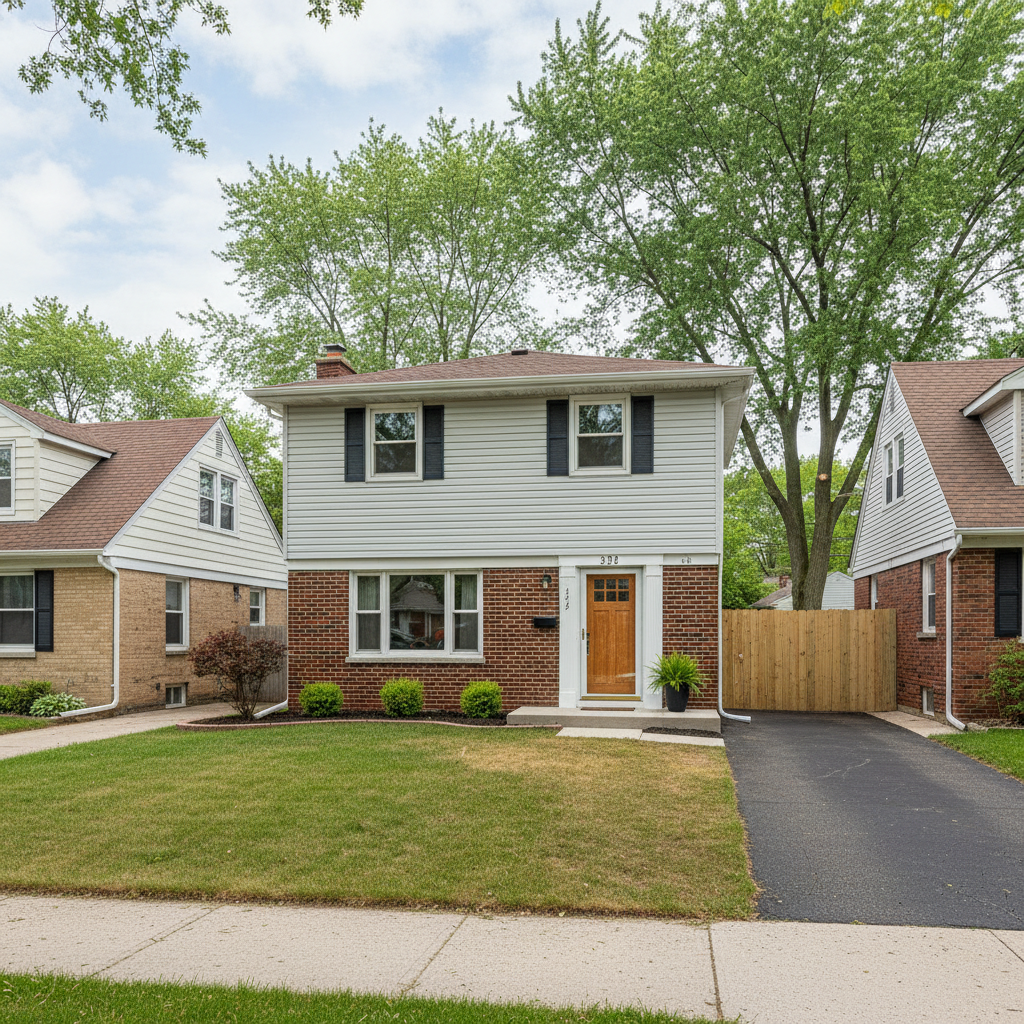
We've got some specific things going on in Lincoln Park that make flood restoration a bit different. For starters, a lot of our homes, especially those classic brick bungalows and two-stories built in the 40s and 50s around Fort Street or down toward Goddard, have basements. And many of those basements weren't designed with today's heavy rain events in mind. We're talking about older drain tile systems, sometimes even brick foundations that can be more porous than modern concrete.
Then there's the soil. We're downriver, and the soil around here can be pretty dense clay. That means water doesn't always drain away from your foundation as quickly as you'd like. It just sits there, putting pressure on your walls, looking for any tiny crack to seep through. I've seen it time and again: a small crack you never noticed suddenly becomes a waterfall when the ground is saturated.
Why a Local Crew Gets It
When you call Apex Restoration, you're not just getting a crew that shows up with equipment. You're getting guys who understand these local nuances. We know that if your home is on one of those tree-lined streets with mature oaks, root intrusion into sewer lines is a real possibility, contributing to backups. We know that some of those older homes might have unsealed block walls that need a different approach than a poured concrete foundation.
A national chain might have a checklist, but they don't have the institutional knowledge of our specific area. They don't know that the storm drains on certain blocks tend to back up faster. They don't know about the common issues with our city's older infrastructure that can impact your home.
- We've seen the same problems in similar houses for decades, so we know what to look for beyond the obvious.
- We understand the local permitting process if structural repairs are needed, which can save you a lot of headaches.
- We're here, in your community. We're not packing up and leaving town after the job's done. Our reputation is built right here in Lincoln Park.
Beyond Drying: The Restoration Process
Getting the water out is just step one. The real work begins with drying everything properly to prevent mold. You can't just open a window and hope for the best. We use industrial-grade dehumidifiers and air movers to create a drying chamber, pulling moisture out of everything – drywall, wood, even the air itself. Then we assess the damage to your belongings, your flooring, and your walls.
Sometimes it's just a matter of cleaning and sanitizing. Other times, drywall needs to be cut out, flooring replaced, or even structural elements addressed. We've handled everything from a few inches of standing water in a finished basement to full-blown sewer backups that require extensive decontamination. It's not pretty work, but it's essential to make sure your home is safe and healthy again.
Don't Wait, Act Fast
The biggest mistake I see people make is waiting. They think it'll dry out on its own, or they try to tackle it with a shop vac and a fan. Every hour that water sits in your home increases the risk of mold growth, structural damage, and permanent odors. If you've got water, call someone immediately. The faster you get professionals in there, the less damage you'll have in the long run, and the quicker you can get your life back to normal.
We're your neighbors, right here in Lincoln Park. We've been helping folks clean up after floods for years. When disaster strikes, you want someone you can trust, someone who understands what you're going through, and someone who knows exactly how to fix it, right here at home.