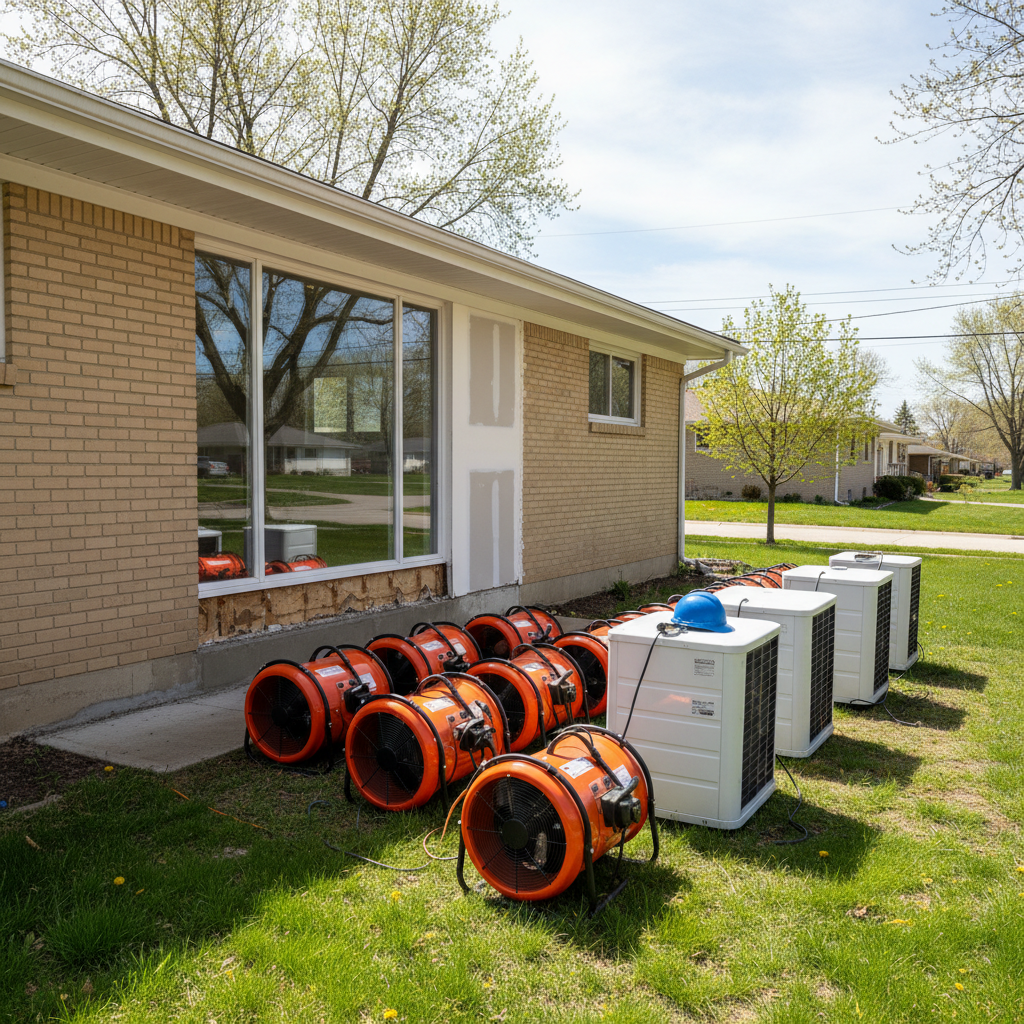
Nobody wants to deal with water damage, right? It's a real headache, super messy, and can get expensive if you don't handle it the right way. When we talk about 'structural drying,' we're not just talking about mopping up a puddle or two. No, we mean getting all that hidden moisture out of your walls, floors, ceilings, and every other spot that soaked it up. You really don't want to skimp on this part, because if you leave moisture behind, you're practically inviting mold and even more damage down the road.
What Makes Structural Drying Costs Go Up or Down?
You're probably wondering, "Okay, so what's this actually going to cost me?" That's a totally fair question, and honestly, there's no single, easy answer. But I can definitely tell you the main things that affect the price:
- The Size of the Damage: This is probably the biggest factor, no surprise there. A small leak under a sink that just hit a few square feet of cabinet and drywall is way different from a burst pipe that flooded your entire basement. The more area that's wet, the more equipment, time, and people it's going to take to fix.
- The Category of Water: Water isn't just water, believe it or not. 'Category 1' is clean water, like from a broken supply line. 'Category 2' is gray water, say from a washing machine overflow. 'Category 3' is black water, which means sewage or river flooding – something we sometimes see in older Lincoln Park homes when basements back up after heavy rains. The dirtier the water, the more extensive the cleanup and sanitization needed, and that definitely adds to the cost.
- The Class of Water Damage: This one tells us how much water there is and how porous the materials are. Class 1 means minimal absorption, while Class 4 means deeply saturated, hard-to-dry stuff like plaster or concrete. A higher class means the drying process will take longer and be more intensive.
- Materials Affected: Drying out a carpet and its pad is different from drying hardwood floors, and both are completely different from drying out plaster walls or concrete. Some materials hold water for ages and need specialized techniques or really aggressive drying.
- Access and Demolition Needs: Sometimes, to get things truly dry, we have to remove baseboards, cut holes in drywall, or even pull up flooring. This "controlled demolition" helps air reach the wet areas, but it's an extra cost for labor and getting rid of the debris.
- Equipment and Time: We use industrial-grade dehumidifiers, air movers, air scrubbers, and specialized drying mats. The more equipment we need and the longer it runs (often 3-5 days, sometimes even more), the higher those utility costs and equipment rental fees will be.
Typical Cost Ranges for Structural Drying in Lincoln Park
Alright, let's talk actual numbers. Just remember, these are averages, and your specific situation could end up higher or lower. For a typical residential water damage scenario right here in Lincoln Park:
- Small, localized water damage (e.g., a toilet overflow in a bathroom, a small leak under a sink): You're often looking at a range of $1,500 to $3,500. This usually means drying a small area, maybe a few pieces of equipment for 3 days, and very little demolition.
- Medium water damage (e.g., a burst hot water heater in a utility room, a flooded laundry room): This could run you anywhere from $3,500 to $7,000. Here, you've got a bigger affected area, more equipment, and possibly some drywall or flooring removal.
- Large-scale water damage (e.g., a flooded basement, multiple rooms hit by a burst pipe): For something this big, you could be looking at $7,000 to $15,000+. This involves extensive drying, a lot of equipment, probably more demolition, and longer drying times. If it's Category 3 water, expect it to be on the higher end of this range because of all the sanitization needed.
These numbers generally cover the drying process itself – that means the assessment, setting up the equipment, monitoring it, and then taking it all away. It doesn't usually include reconstruction like replacing drywall, flooring, or painting; that's a separate project that happens afterward.
What Should Be Included in a Structural Drying Quote?
When you get a quote from Apex Restoration or any other reputable company, make sure it's detailed. You'll want to see:
- Initial assessment and moisture mapping: How they figure out what's wet and just how wet it is.
- Equipment used: A list of dehumidifiers, air movers, air scrubbers, etc., and how long they expect them to be on site.
- Labor costs: For setting up, monitoring, and breaking down.
- Demolition and disposal: If any materials need to come out to help with drying.
- Sanitization: Especially if you've got gray or black water.
- Daily monitoring and reporting: Proof that they're checking moisture levels regularly.
- Final verification: How they'll confirm everything is truly dry.
A good quote won't just be one big number; it'll break down these pieces so you know exactly what you're paying for. What a concept, right?
How to Avoid Overpaying for Structural Drying
Here are a few tips to help you make sure you're getting a fair deal:
- Act Fast: The quicker you deal with water damage, the less it spreads and soaks into everything. This can really cut down on the overall drying time and cost. Don't wait around!
- Get Multiple Quotes: It's always smart to get at least two estimates. Just make sure you're comparing apples to apples – the scope of work should be pretty similar.
- Understand Your Insurance: Know what your homeowner's policy actually covers. Most policies cover sudden and accidental water damage, but not neglect or flood damage (for that, you need a separate flood policy). Your deductible will also play a role, of course.
- Ask Questions: Don't be shy about asking the technician why certain equipment is needed, how long they expect it to take, and what their whole process is. A good contractor will be totally transparent.
- Check for Certifications: Look for companies with IICRC (Institute of Inspection, Cleaning and Restoration Certification) certified technicians. This means they've been trained in all the industry best practices.
Dealing with water damage is stressful enough. Knowing what to expect with structural drying costs can definitely help ease some of that burden. If you're in Lincoln Park and dealing with water, give us a call. We're here to help you get your home dry and safe again.