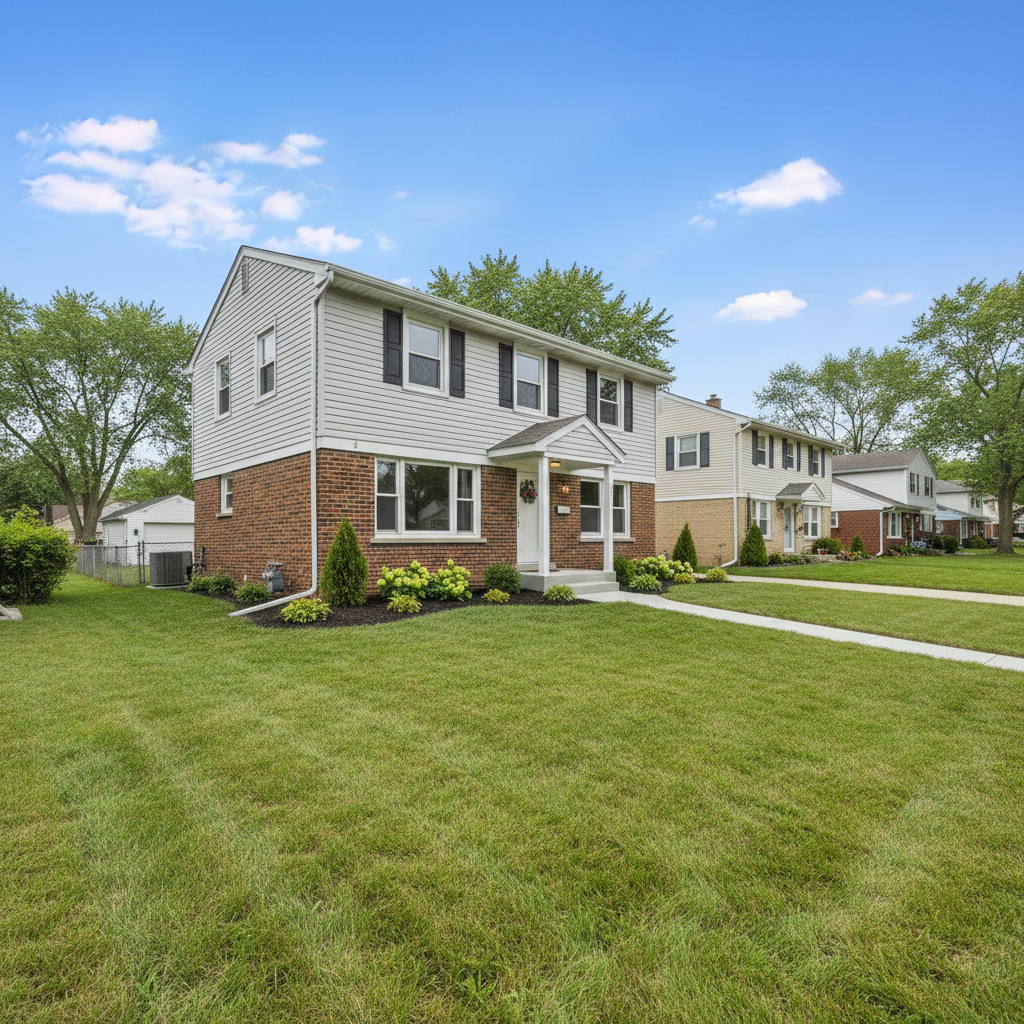
So, your basement's got water. It's not just a little puddle, is it? No, it's a real mess. I've seen it countless times here in Lincoln Park, from the older homes near Fort Street to the mid-century builds closer to Dix. When that happens, you're not just dealing with wet carpet or soggy boxes; you're looking at potential structural problems, electrical hazards, and mold that can start growing faster than you'd think possible.
Why Lincoln Park Flooding Hits Different
Look, every city has its water problems, but ours can be a bit unique. We're in a pretty low-lying area, especially parts of the city closer to Ecorse Creek. That means when we get those heavy Downriver rainfalls, or even just a quick thaw after a big snow, the ground gets saturated fast. Our clay soil, which is super common around here, doesn't drain quickly. It holds onto water, and if your foundation isn't perfectly sealed or your sump pump fails, that water's got nowhere to go but into your basement.
I've walked into basements where the water was inches deep, and the homeowner's first thought was always, "How did this happen?" Sometimes it's a backed-up sewer line, sometimes a burst pipe. But a lot of the time, it's just Mother Nature overwhelming our infrastructure and the ground around our homes. The older homes, especially those built in the 40s and 50s, often have foundations that weren't really designed for today's extreme weather patterns. They might have stone or block foundations that are more prone to seepage than newer, poured concrete ones. We see a lot of those older homes in the neighborhoods north of Goddard Road, for instance.
The Immediate Aftermath: What to Do (and Not Do)
First things first: safety. Is the power still on in the flooded area? If there's any doubt, don't go in there. Call DTE or an electrician right away to shut off the power to that part of your house. Water and electricity don't mix, and you definitely don't want to become a statistic.
Once it's safe, you need to get that water out. Fast. Every hour that water sits, the damage just gets worse. Your drywall starts wicking up water, wood swells, and anything porous like furniture or personal belongings begins to absorb it. If you've got a small amount of water, you might be able to tackle it with a wet/dry vac. But for anything more than an inch or two, you're going to need professional-grade pumps. That's where we come in.
Please don't try to use regular household fans to dry things out if it's a big flood. All you'll do is circulate moist air and potentially spread mold spores. You need specialized drying equipment that creates a controlled environment to pull moisture out of the air and materials.
The Restoration Process: It's More Than Just Drying
When Apex Restoration gets on site, our first priority is always extraction. We'll get the standing water out using powerful pumps. Then, we start the drying process. This isn't just about making things feel dry; it's about getting moisture levels back to normal in all affected materials, including the studs behind your walls and the subfloor under your carpet.
We use moisture meters and thermal imaging to find hidden pockets of water. You'd be surprised where water can hide. It can travel along floor joists, behind baseboards, and even up inside wall cavities. If you don't find and dry all of it, you're just inviting mold to set up shop.
Once everything's dry, we move to cleaning and sanitizing. Floodwater, especially from sewer backups, isn't clean. It can contain bacteria, viruses, and other contaminants. We'll clean and disinfect all affected surfaces to make sure your home is safe and healthy again. This often means removing damaged materials like drywall, insulation, and flooring that just can't be salvaged.
Finally, there's the repair and rebuild phase. This is where we put your home back together. Whether it's new drywall, flooring, or repainting, we make sure it looks like the flood never happened. We've worked on so many homes around here, we know the common layouts, the typical building materials, and what it takes to get things done right in our community.
Why Local Expertise Matters
You might think flood damage is flood damage, no matter where it happens. But knowing the local conditions, like our clay soil and older home construction, makes a big difference. A national chain might send a crew who's never worked in a Lincoln Park basement before. They might not understand why a certain type of foundation is leaking, or the best way to deal with the specific challenges our homes present.
We're your neighbors. We live and work right here. We know the local building codes, we work with local suppliers, and we understand the frustrations that come with dealing with insurance companies when you're trying to get your home back to normal. When you call us, you're not just getting a service; you're getting a team that genuinely cares about getting you back on your feet quickly and efficiently. We've seen the devastation these floods cause, and we're here to help you navigate it every step of the way.