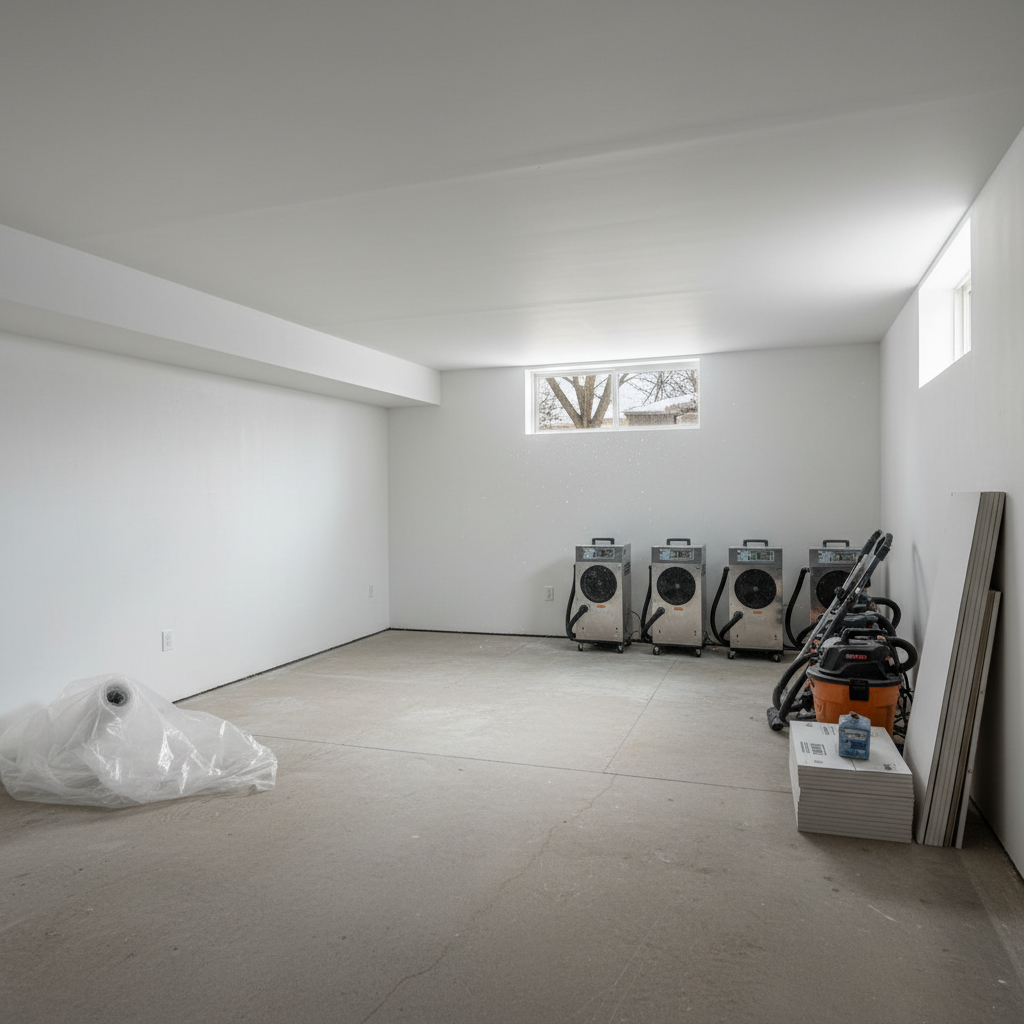
Finding mold in your home? Ugh. It's never a good time. It feels unsettling, it can be unhealthy, and honestly, you just want it gone yesterday. But here's the thing: rushing into remediation without a solid plan can cause even more headaches down the road. Trust me, I've seen it happen. So, let's talk about getting organized for your mold remediation project, especially if you're here in Lincoln Park.
What to Expect: Your Project Timeline
How long does mold remediation actually take? That's usually the first question folks hit me with. The honest answer? It really depends on how much mold there is and how widespread the problem is. A tiny patch under a sink is a completely different beast from a whole basement that's been stewing after a sump pump decided to quit. Generally, once the pros are on site and we've got containment set up, the actual hands-on work – removing contaminated stuff, cleaning, drying – can take anywhere from 1 to 5 days for most homes. Bigger, more complicated situations, especially if there's structural damage, might stretch out to a week or even more.
But that's just the physical removal part. Before that, you've got the assessment and testing, which can easily take a few days. After the remediation, we do post-remediation verification (PRV) testing to make absolutely sure it's all gone, and that can add another day or two just waiting for lab results. Then, there's reconstruction – putting your home back together again. That's a whole other ballgame and depends entirely on what we had to remove. So, from start to finish, you're usually looking at a few weeks, not just a few days, especially if you need some rebuilding done.
What Happens During the Process?
You might be picturing guys in hazmat suits, and sometimes, that's pretty close to reality. Here's how it generally goes:
- Assessment & Testing: First, we figure out what kind of mold we're dealing with and how far it's spread. Sometimes we even bring in a third-party hygienist for this, particularly if it's extensive or if you're worried about health effects. They'll give us the lowdown on what we're up against.
- Containment: This step is super important. We seal off the affected area with plastic sheeting and use special negative air pressure machines. This stops mold spores from floating into other parts of your house while we're working. You definitely don't want to fix one problem only to create ten new ones, right?
- Air Filtration: High-efficiency particulate air (HEPA) scrubbers run constantly to clean the air inside the containment zone, trapping all those tiny mold spores.
- Removal & Cleaning: Any porous materials that have mold – drywall, insulation, carpet, wood that can't be cleaned – get carefully removed and bagged up. Non-porous surfaces like studs or concrete get HEPA vacuumed, scrubbed, and treated with an antimicrobial solution.
- Drying: If there's still moisture, we bring in commercial dehumidifiers and air movers to get everything completely dry. Mold just can't grow without water.
- Post-Remediation Verification (PRV): Often, another third-party hygienist comes back to do clearance testing. They take air and surface samples to confirm the mold is gone and the spore count is back to normal, healthy levels. This is really for your peace of mind.
Getting Your Home Ready for the Crew
You'll want to take care of a few things before the remediation crew shows up. It just makes everything smoother for everyone involved:
- Clear the Area: Move furniture, personal items, and anything valuable out of the rooms that are affected. If it's a large area, we might talk about a 'pack-out' service to store your belongings safely.
- Turn Off HVAC: If the mold is close to your heating or cooling system, you might need to turn it off or have the ducts sealed to prevent cross-contamination. We'll tell you if this is necessary.
- Plan for Access: Make sure there's a clear path for our equipment. We'll be bringing in air scrubbers, dehumidifiers, tools, and waste bags.
- Protect Unaffected Areas: While we'll set up containment, you can help by closing doors to other rooms and covering any vents in those areas if they're near the work zone.
- Communicate: Please let us know about any special concerns you have, like pets, allergies, or anything that's particularly fragile.
Questions to Ask Before You Sign Anything
This is where you protect yourself. Don't be shy about asking tough questions. Any reputable company, like Apex Restoration, will actually appreciate your thoroughness.
- Are you licensed and insured for mold remediation in Michigan? Make sure they have the right coverage, especially liability insurance.
- What certifications do your technicians hold? Look for certifications from organizations like the IICRC (Institute of Inspection, Cleaning and Restoration Certification).
- Will you use third-party testing for both assessment and clearance? This ensures an unbiased opinion on how bad the problem is and whether it's truly gone.
- What's your containment strategy? They should be able to explain negative air pressure and how they properly seal off the area.
- How will you prevent cross-contamination? Ask about their entry/exit protocols, how they dispose of waste, and their air filtration methods.
- What's your warranty on the work? A good company stands behind their remediation.
- Can you provide references from other Lincoln Park homeowners? Local references are gold, truly. We deal with the same older homes, the same clay soil contributing to damp basements, and the same weather patterns. Someone who knows the local challenges is key.
- What's included in the estimate, and what's not? Get a detailed breakdown. Does it include reconstruction, or just the remediation?
Taking the time to plan and ask these questions will save you a lot of stress and money. You want that mold gone for good, and you want it done right. Don't settle for less.