Getting Ready for Mold Remediation: Your Project Plan
Finding mold in your home is never fun. It’s stressful, a real health concern, and often feels like a massive undertaking. And sure, it *can* be, but with a solid plan, it doesn’t have to turn into a nightmare. After seeing countless mold jobs here in Lincoln Park over the years, I know that homeowners who prepare and understand what’s coming generally have a much smoother experience. This isn't about the 'why' or the 'how much' – we've talked about that elsewhere. No, this is about getting ready, what happens when we show up, and the important questions you need to ask before anyone even thinks about tearing into your walls.
What to Expect: The Remediation Timeline
Look, every mold job is a little different, right? A small patch in a bathroom is a world away from a whole basement after a flood. Still, there’s a general flow you can expect once you’ve got a professional crew like Apex Restoration on the job. We're talking about a few key phases:
Assessment & Scope: Before anything else, we figure out exactly what we're up against. Where's the mold? How bad is it? What caused it in the first place? This might mean using moisture meters, thermal cameras, and sometimes even taking air samples. This step is super important because it shapes the whole plan. You can’t fix something you don’t fully understand.
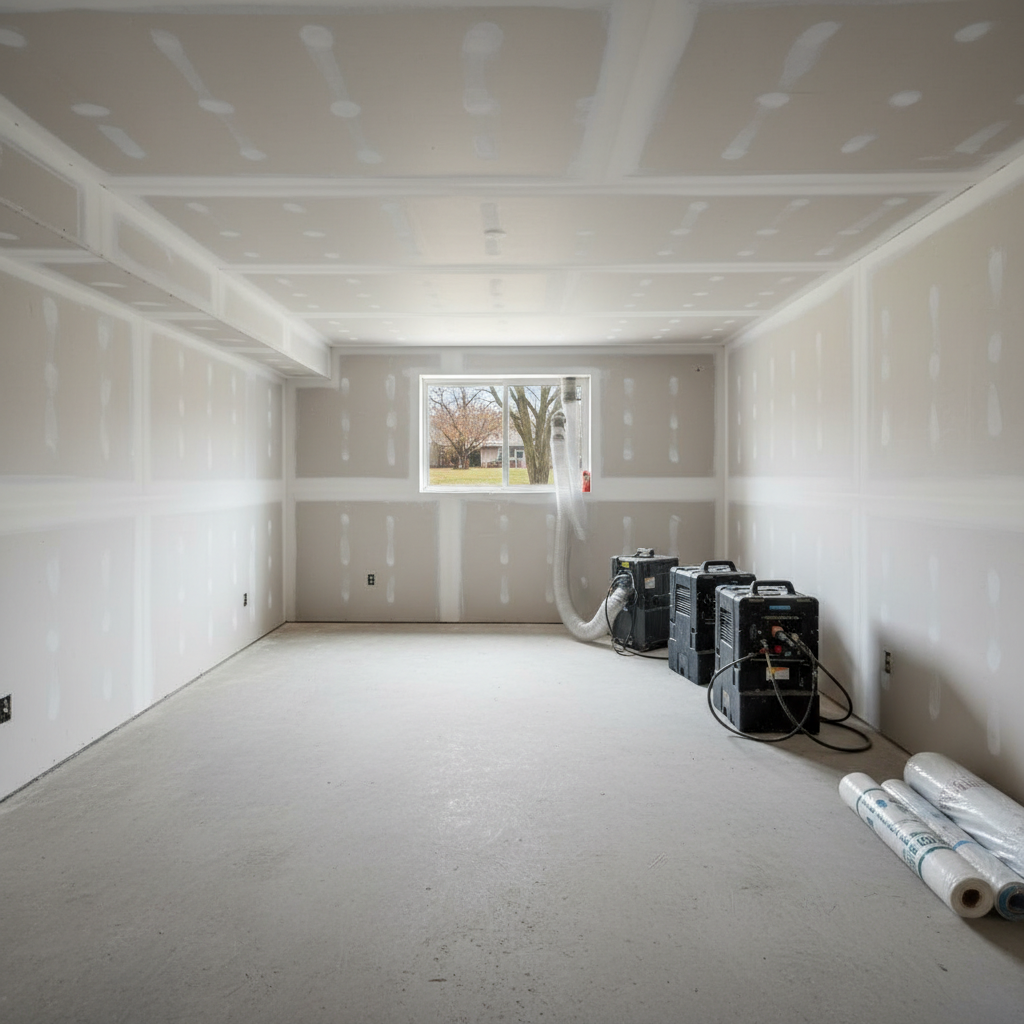
Containment Setup: This part is huge. We absolutely can’t have mold spores floating all over your house. So, we'll put up containment barriers, usually plastic sheeting, to seal off the affected spot. Think of it like a temporary clean room. We also use negative air machines with HEPA filters to create negative pressure; this means air flows *into* the contained area, not out, trapping those pesky spores.
Mold Removal & Demolition: This is where the real dirty work happens. Depending on what’s affected, we might pull out drywall, insulation, flooring, or other porous stuff that just can’t be cleaned. Non-porous surfaces, though, get scrubbed down and treated with antimicrobial solutions. We’re not just spraying bleach and hoping for the best; we’re physically getting rid of the mold.
Cleaning & HEPA Vacuuming: Once all the moldy materials are gone, we give the entire contained area a thorough cleaning. Every single surface gets HEPA vacuumed, wiped down, and often treated again. The goal here is to get rid of any leftover spores or debris.
Drying & Dehumidification: Mold just loves moisture, so getting things bone dry is a must. We'll bring in air movers and commercial dehumidifiers to dry out the structure. This can take a few days, and we watch moisture levels really closely.
Post-Remediation Verification (Clearance Testing): This is your peace of mind, plain and simple. Once we think the job's done, an independent third-party hygienist can come in and run air and surface tests to confirm that mold levels are back to normal, healthy levels. I always recommend this, especially for bigger jobs or if you have health concerns.
Reconstruction (Optional): After clearance is given, then you can start putting your home back together. Some remediation companies, like Apex Restoration, also handle the reconstruction, which can really simplify things for you.
The whole process, from start to finish, can take anywhere from a few days for a small job to a couple of weeks or more for extensive damage – especially if you include drying times and clearance testing. Don't rush it; doing it right the first time saves you a ton of headaches later.
How to Prepare Your Home and Family
Alright, so you’ve got a crew coming. What do you need to do before they show up? A little prep work on your end can make things go a lot smoother for everyone involved.
Clear the Area: If the mold is in a closet, empty it out. If it's behind a cabinet, try to move it. Get any furniture, personal items, or valuables out of the affected room or at least away from the work zone. We’ll do our best to protect your belongings, but it's always better if they’re not in the way.
Protect Valuables & Sentimental Items: Anything you don't want getting dusty or potentially damaged during the work should be removed. Think photo albums, important documents, electronics, or anything irreplaceable. Even with containment, dust is just a reality of construction.
Plan for Pets & People: Depending on the scope, you might need to find somewhere else for pets to stay. The noise of equipment, strangers around, and the chance of airborne particles during demolition can really stress animals out. For bigger jobs, especially if it's in a main living area, you might want to consider staying elsewhere for a day or two, particularly if anyone in your household has breathing issues.
Provide Access: Make sure the crew can easily get to the affected area. Clear pathways, unlock doors, and let them know about any specific entry points or things to watch out for.
Turn Off HVAC in the Affected Zone: If the mold is near a vent or if the remediation is extensive, we might ask you to turn off your HVAC system or at least close off vents in the work area to prevent spores from circulating.
Questions to Ask Before You Sign Anything
This is your home, and you're paying good money to get it fixed. You have every right to ask questions. Don't be shy. Here's what I'd want to know if I were in your shoes:
What's your exact process? Ask them to walk you through it, step-by-step, just like I did above. Make sure it sounds thorough and includes containment and proper drying.
Are you certified? Look for certifications from groups like the IICRC (Institute of Inspection, Cleaning and Restoration Certification). It shows they’ve had proper training.
Do you use third-party clearance testing? This is non-negotiable for me. You want an unbiased expert to confirm the mold is gone, not the same company that did the work. It's an extra cost, but it's totally worth it for peace of mind, especially with the older homes we have around Lincoln Park, where moisture issues can be persistent.
What's included in the estimate? Get a detailed breakdown. Are demolition, drying, cleaning, and disposal all covered? What about reconstruction? Make sure there are no hidden fees.
How long will this take? Get a realistic timeframe for each phase. Delays happen, but you should have a good idea of the expected duration.
What about my belongings? Will they be cleaned on-site? Do you offer pack-out services? What's the plan for items that can't be saved?
What kind of warranty or guarantee do you offer? A reputable company should stand behind their work, wouldn't you agree?
Who is my main point of contact? You don't want to be calling a different person every day. Know who to talk to if you have questions or concerns.
Taking the time to plan and ask these questions upfront will save you a lot of grief down the road. You want to feel confident in the company you hire and understand what's going to happen in your home. We're here to help make that process as clear and straightforward as possible.